
Linoleum and vinyl might look similar at first glance – smooth, durable, and available in every color under the sun – but the similarities end there.
One’s made from natural materials that have stood the test of time, while the other is a modern favorite for its waterproof performance and endless style options.
We’ll break down linoleum vs vinyl flooring in full, so you can understand how they really differ before you choose.
Key Notes
- Vinyl is waterproof and lasts 10-20 years; linoleum is water-resistant and lasts 20-40+ years.
- Vinyl costs $1-12/sq ft with easy DIY install; linoleum $3-12 plus $10-20 install.
- Linoleum is fully biodegradable from natural materials, while vinyl is synthetic PVC but low-VOC certified.
- Vinyl offers endless realistic wood/stone looks; linoleum features natural marbled aesthetic.
Side-by-Side Comparison: Linoleum vs Vinyl Flooring
| Feature | Vinyl Flooring | Linoleum Flooring |
|---|---|---|
| Material | Synthetic (PVC) | Natural (linseed oil, cork, wood flour) |
| Water Resistance | Waterproof | Water-resistant when sealed |
| Durability | 10–20 years | 20–40+ years |
| Design Options | Endless styles, realistic wood/stone | Limited, natural marbled looks |
| Maintenance | Low | Moderate, needs sealing |
| Eco-Friendliness | Non-biodegradable | Fully biodegradable |
| Installation | Easy, DIY-friendly | Complex, professional-only |
| Comfort | Softer underfoot | Warm and cushioned |
| Cost | More affordable | Higher upfront cost |
Linoleum vs Vinyl Flooring: What They Are
Vinyl Flooring
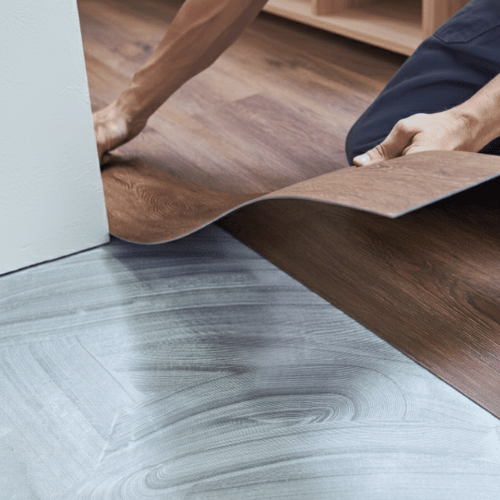
A synthetic product made primarily from PVC (polyvinyl chloride). It’s layered – a backing layer for stability, a printed design layer that mimics wood or stone, and a durable wear layer on top.
It’s flexible, affordable, and known for being nearly waterproof.
Linoleum Flooring
Made from natural materials: linseed oil, wood flour, cork dust, and mineral fillers. The color and design go all the way through the material rather than being printed on top.
It’s biodegradable, durable, and made from renewable resources – a clear winner for eco-conscious homeowners.

Types & Formats
Vinyl Flooring Options:
- Sheet Vinyl: Sold in large rolls with few seams, ideal for moisture-prone spaces like kitchens and bathrooms.
- Luxury Vinyl Plank (LVP): Looks like hardwood, often with textured finishes.
- Luxury Vinyl Tile (LVT): Mimics stone or ceramic tile with realistic visuals.
- Peel-and-Stick Tiles: A quick, DIY-friendly option with adhesive backing.
Linoleum Flooring Options:
- Sheet Linoleum: Professional installation recommended, seamless finish, perfect for larger areas.
- Linoleum Tiles: Easier to install, great for creative layouts or checkerboard designs.
- Click-Together Linoleum Planks: Floating floors that click together, similar to laminate or vinyl planks.
How They’re Made (& Why It Matters)
Vinyl
Vinyl is man-made. Its layers are fused with heat and pressure to create flexibility, water resistance, and design versatility. The printed layer means you can get nearly any look (wood, stone, patterned tile) but it can fade over time with UV exposure.
Linoleum
Linoleum’s design is baked in, not printed. Because the pigments run through the material, scratches or wear don’t affect its color. It feels more substantial and has a matte, organic appearance that suits vintage, minimalist, or Scandinavian-inspired interiors.
Look, Texture & Design Flexibility
Vinyl
If variety and realism matter most, vinyl flooring takes the crown. You can find everything from wide-plank white oak looks to marble and concrete patterns. Textured embossing adds depth, and some even include beveled edges for authenticity.
Linoleum
Linoleum has a more natural, muted aesthetic. You’ll find marbled effects, soft color blends, and geometric or retro styles. It doesn’t mimic wood or stone perfectly, but its timeless, organic charm appeals to homeowners who prefer understated design.
Performance Breakdown
Water Resistance:
Vinyl is waterproof by nature, thanks to its PVC composition. That makes it a go-to for kitchens, bathrooms, and basements.
Linoleum, while water-resistant, isn’t waterproof. It needs sealing to prevent warping or swelling from spills or humidity.
Scratch and Dent Resistance:
Vinyl has a tough wear layer that holds up well to kids, pets, and high traffic.
Linoleum can scratch or dent more easily, but because the color goes all the way through, marks are less noticeable.
Sunlight Exposure:
Linoleum tends to resist fading since its colors are embedded. Vinyl’s printed layer may fade or yellow with heavy UV exposure.
Comfort and Feel:
Both are softer underfoot than tile, but linoleum has a slightly warmer, more cushioned feel. Vinyl offers better sound absorption in multi-level homes or apartments.
Installation: What to Expect
Vinyl
Vinyl installation is straightforward. Click-lock planks snap together, sheet vinyl can be glued or laid loose, and peel-and-stick tiles are DIY-friendly. It can tolerate minor subfloor imperfections, making it forgiving and fast to install.
Linoleum
Linoleum installation requires more prep. It must acclimate to room temperature before laying, and the subfloor needs to be perfectly smooth. Sheets are glued down and heat-welded at the seams – a job best left to professionals.
Post-installation sealing helps protect against moisture.
Maintenance & Upkeep
Vinyl Flooring:
- Simple sweeping and mopping with mild detergent.
- No sealing, waxing, or special cleaners needed.
- Resistant to stains, mold, and mildew.
Linoleum Flooring:
- Needs sealing every year or so (unless it has a factory finish).
- Gentle cleaners only – no harsh chemicals.
- Occasional polishing keeps its natural sheen.
- Use felt pads under furniture to avoid dents and scratches.
Vinyl is the winner if you want a low-maintenance lifestyle, while linoleum suits those who don’t mind periodic care to keep natural materials looking their best.
Durability and Lifespan
With proper care, linoleum can last up to 40 years or more – some historic homes still have the original floors. Vinyl typically lasts 10 to 20 years, depending on the wear layer thickness and quality.
However, vinyl outperforms linoleum in heavy-use, high-moisture spaces thanks to its synthetic resilience.
Cost & Total Cost of Ownership
Material Costs:
- Vinyl: $1–$12 per sq. ft. depending on style and quality.
- Linoleum: $3–$12 per sq. ft., often higher for premium types.
Installation:
- Vinyl: $1–$10 per sq. ft.
- Linoleum: $10–$20 per sq. ft. due to more complex prep and adhesives.
Maintenance:
- Vinyl: Minimal.
- Linoleum: Requires sealing and gentle upkeep.
In the long run, linoleum’s longer lifespan can offset its higher maintenance costs, but vinyl remains the more budget-friendly choice upfront.
Sustainability and Indoor Air Quality
Linoleum shines here – literally. It’s made from natural, renewable, and biodegradable ingredients and gives off low VOC emissions.
Vinyl, though synthetic, has improved dramatically in recent years. Many modern options are low-VOC and certified for healthier indoor air quality, but they’re not biodegradable.
Frequently Asked Questions
Can you refinish linoleum flooring like hardwood?
Not exactly. Linoleum can’t be sanded and refinished, but you can restore its look with professional deep cleaning and resealing. That process revives color and shine without replacing the floor.
Does vinyl flooring release harmful fumes or VOCs?
Most modern vinyl floors are certified low-VOC and safe for indoor use. Always look for products with FloorScore or GreenGuard certifications to ensure healthy air quality.
Is linoleum flooring good for homes with radiant heating?
Yes, linoleum works well with radiant heat systems if properly installed. It distributes warmth evenly and maintains a comfortable surface temperature without warping.
Can vinyl or linoleum be installed over existing tile or hardwood?
In many cases, yes – both can go over existing hard floors if the surface is smooth, clean, and level. However, linoleum needs a perfectly flat base, while vinyl is a bit more forgiving.
Conclusion
When comparing linoleum vs vinyl flooring, it really comes down to what matters most to you.
Vinyl is the go-to for busy homes that need something waterproof, durable, and low-maintenance – it’s quick to install and easy to clean. Linoleum, on the other hand, is built for the long haul: a natural, eco-friendly floor that can last decades with the right care.
Both can look beautiful, but their strengths lie in different priorities (vinyl for convenience, linoleum for sustainability and longevity).
If you’re still deciding, book a free in-home appointment with Go Flooring. We’ll bring real samples to your space, help compare both options side by side, and give you a same-day quote with $0 down and 0% interest financing.

