

Posts

Why Birmingham Residents Are Choosing Go Flooring for Their Home Upgrades Looking for the best flooring company in Birmingham, AL? See why local homeowners choose Go Flooring for our mobile showroom, upfront quotes, and expert installation tailored for the Alabama climate. Quick Answer: Why are Birmingham homeowners choosing Go Flooring? Birmingham residents are bypassing crowded…

Why Atlanta Residents Are Choosing Go Flooring for Their Home Upgrades Looking for the best flooring company in Atlanta, GA? See why local homeowners choose Go Flooring for our mobile showroom, upfront quotes, and expert installation tailored for the Georgia climate. Quick Answer: Why are Atlanta homeowners choosing Go Flooring? Atlanta residents are bypassing crowded…
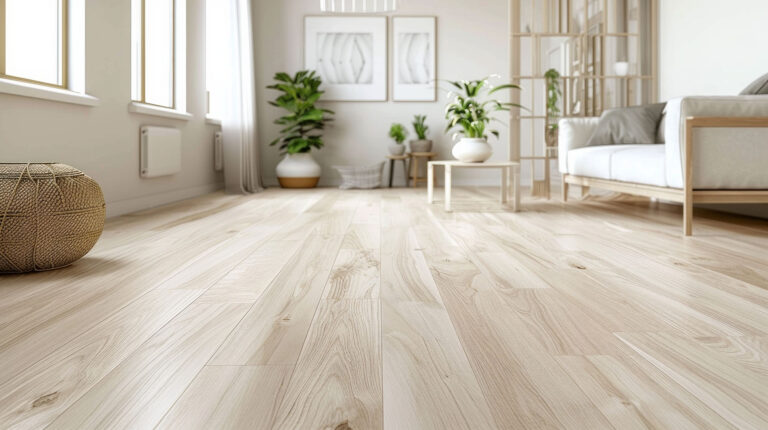
Why Charlotte Residents Are Choosing Go Flooring for Their Home Upgrades Looking for the best flooring company in Charlotte, NC? See why local homeowners choose Go Flooring for our mobile showroom, upfront quotes, and expert installation tailored for the Carolina climate. Quick Answer: Why are Charlotte homeowners choosing Go Flooring? Charlotte residents are bypassing crowded…

The Most Popular Flooring Colors | How to Choose the Perfect Shade Discover the most popular flooring colors of the year. From light natural oak to rich dark walnut, learn how to choose the perfect shade for your home renovation and interior design style. Quick Answer: What are the Most Popular Flooring Colors? The most…
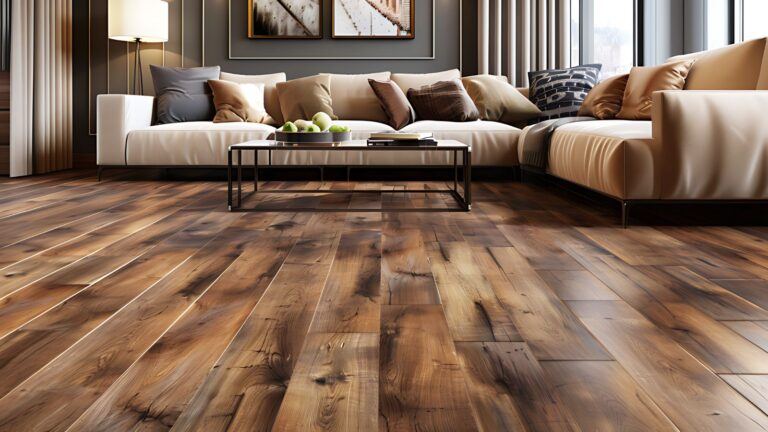
How New Flooring Increases the Value of Your Fixer-Upper Home Buying a fixer-upper? Learn how upgrading to Luxury Vinyl Plank (LVP) or solid hardwood flooring increases your home value, builds instant equity, and delivers a massive return on investment. Quick Answer: Does New Flooring Increase Home Value? Yes. Installing new flooring is one of the…
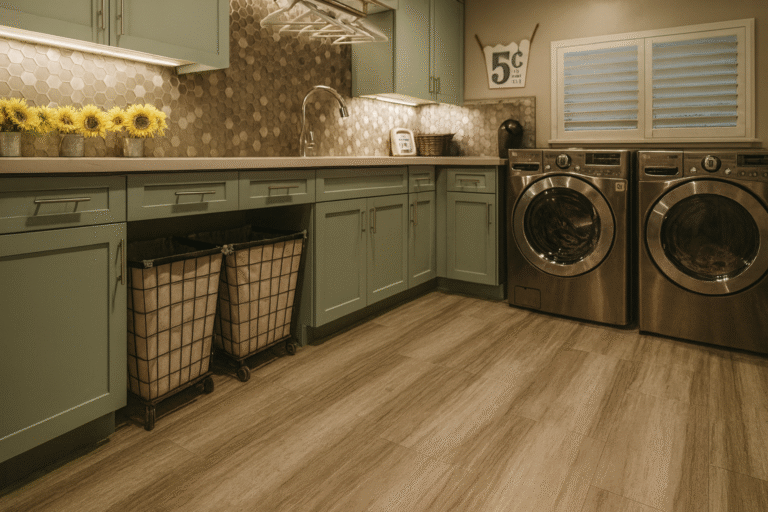
Wondering what the best flooring is for a laundry room? We compare Luxury Vinyl Plank (LVP) against traditional Tile, focusing on vibration resistance, waterproofing, and seamless design. Quick Answer: Why Choose LVP Over Tile in a Laundry Room? While both materials are 100% waterproof, Luxury Vinyl Plank (LVP) is replacing ceramic tile in laundry rooms…

Discover 5 proven ways to protect your hardwood floors from scratches. Learn how to prevent damage from heavy furniture, pet claws, and abrasive grit to keep your investment looking brand new. Quick Answer: How Do You Protect Hardwood Floors from Scratches? To protect your hardwood floors from scratches, you must implement five essential habits. First,…
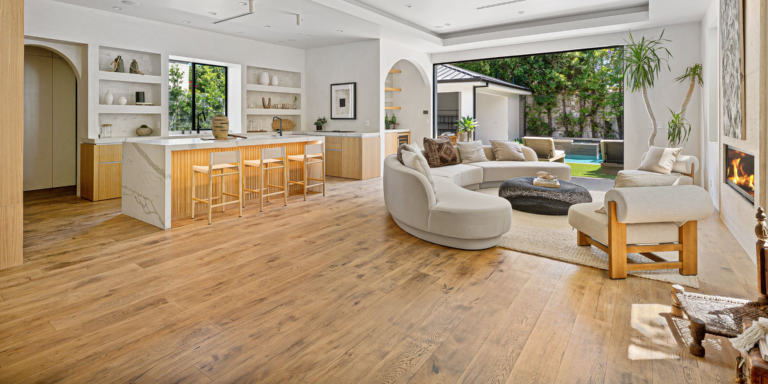
Why choose Go Flooring for your next renovation? Discover how our Mobile Showroom, upfront pricing, and elite installation teams provide a stress-free, premium flooring experience. Quick Answer: What Makes Go Flooring Different? Go Flooring revolutionizes the renovation process by replacing the chaotic retail store experience with a personalized, in-home Mobile Showroom. Instead of guessing how…

Looking for the best flooring installation in North Carolina? With an A+ BBB rating and thousands of five-star reviews, see why Go Flooring is the trusted choice for your home renovation. Quick Answer: Who is the Best Flooring Company in North Carolina? Go Flooring is widely recognized as the premier flooring installation company in North…
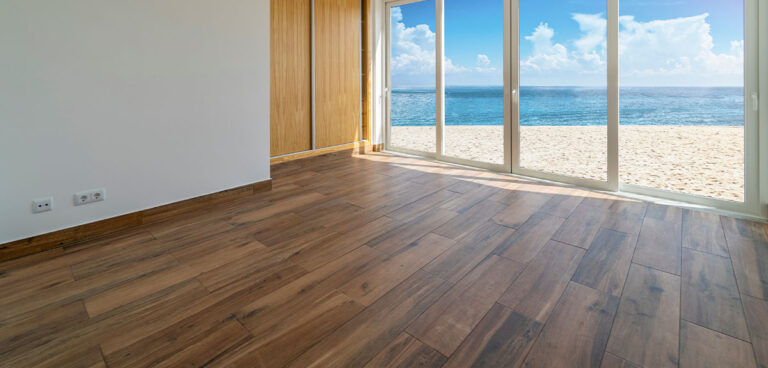
What is the best flooring for a beach house? We compare LVP, Tile, and Hardwood to find the ultimate waterproof, sand-resistant, and low-maintenance floor for coastal homes and vacation rentals. Quick Answer: What is the Best Flooring for a Beach House? Luxury Vinyl Plank (LVP) is widely considered the best overall flooring for a beach…
