
Quick Answer
You need new carpet when traffic lanes stay matted after a professional cleaning. That means the pile crushed flat rather than wore through, and no cleaning restores it. Returning odor, open seams and visible backing point the same way. General dullness and single stains usually do not.
Key Notes
- Crushing is the real failure mode. Carpet almost never wears through in a home. It flattens in the 2 or 3 paths people actually walk, and a flattened carpet looks finished with no fiber loss at all.
- The honest range is 5 to 15 years. A loosely built carpet in a busy house lands at 5 to 7. A dense one in a low traffic room reaches 10 to 15.
- Cleaning is diagnostic, not just maintenance. Judge the result 24 hours after extraction, in daylight. If the traffic lanes have not lifted, the pile has taken a permanent set and no further cleaning changes that.
- Density decides how long the next one lasts. The Carpet and Rug Institute formula is 36 times face weight divided by pile thickness in inches. Above 3,100 suits a busy house. Under 2,100 is light duty only.
- Odor that returns within 2 or 3 days means it is below the carpet. Once a spill reaches the cushion or the subfloor, replacing only what you can see repeats the problem.
- A cushion is included on every job. 8 pound density, 2.0 R-value, moisture barrier with antimicrobial protection, and a 20 year transferable abrasive wear warranty that covers stairs.
Table of Contents
- How Carpet Actually Fails
- Six Signs You Need New Carpet
- Which Problems Cleaning Can Still Fix
- The Cleaning Test
- How Long Carpet Should Have Lasted
- What To Ask For In The Replacement
- What Goes Under It Matters Too
- Questions Homeowners Ask Before Replacing
How Carpet Actually Fails
Most people assume they will need new carpet when it wears through, the way a shoe sole does, thinning until the backing shows. That almost never happens in a house. Our crews pull up far more carpet that is crushed than carpet that is worn through, and the distinction matters because the two have different causes and only one of them is worth cleaning. The Carpet and Rug Institute Carpet Primer puts it plainly: with synthetic fibers it is almost impossible to wear out the face fiber, but crushing happens when density is too low.

Why A Crushed Pile Means You Need New Carpet
Crushing is mechanical. Every footstep compresses the yarn, and the twist that holds each tuft upright slowly loses its memory. Once the tuft takes a permanent set it stops standing up, so light hits the floor differently and the traffic lane reads as a dark path across the room. The fiber is all still there. It simply lies down now.
That is why the walked path looks worn while the carpet under the sofa looks new. Same carpet, same age, different load. And it is why cleaning a badly crushed carpet disappoints: extraction removes the soil sitting in the flattened pile, but nothing puts the spring back.
Six Signs You Need New Carpet
Six things send homeowners looking for a replacement. They do not carry equal weight, and two of them usually clean out rather than meaning you need new carpet at all.
| Sign You Need New Carpet | What Is Happening | Fixable? | Verdict |
|---|---|---|---|
| Matted traffic lanes | Tufts have taken a permanent set and stopped standing up | No | Replace. This is the most common reason |
| Odor that keeps returning | A spill reached the cushion or the subfloor below | No, not by cleaning the carpet | Replace, and replace what is under it |
| Ripples or buckling | Backing has stretched, or the latex bond is failing | Sometimes, by re-stretching | Assess. Repeat rippling means the end |
| Open or fraying seams | Seam adhesive has failed, edges are unraveling | Rarely, and it recurs | Replace if more than one seam has gone |
| Stains that come back | Wicking. Residue in the backing rises as it dries | Sometimes, with correct extraction | Try cleaning first |
| Visible backing or bald spots | Genuine abrasion loss, usually at a pivot point | No | Replace |
Fiber loss is last on this list on purpose. It is the failure homeowners expect and the one our crews see least often.
Which Problems Cleaning Can Still Fix
Before you price a replacement, it is worth knowing which of these a specialist can still recover. Cleaning is a specialty service and not something Go Flooring provides, so we have no reason to talk you out of it.
The Cleaning Test
If you are genuinely unsure whether you need new carpet, there is a decisive test, and it costs one cleaning.
Have the carpet professionally hot water extracted, then look at it once it is fully dry, not while it is damp. Damp pile stands up and flatters the floor. Judge it 24 hours later in daylight.
If the traffic lanes have lifted and the color reads evenly across the room, the carpet had soil, not damage, and you have bought yourself years. If the lanes are still visible as flattened paths, the pile has taken a permanent set. No further cleaning will change that, and the next cleaning will disappoint you the same way.
Keep the invoice either way. Mills require proof of cleaning at their stated interval, and a warranty claim on a carpet you are keeping depends on that paperwork.
How Long Carpet Should Have Lasted
Residential carpet runs 5 to 15 years, and where a specific carpet lands inside that range is set on the day it is bought rather than by anything the homeowner does afterward.
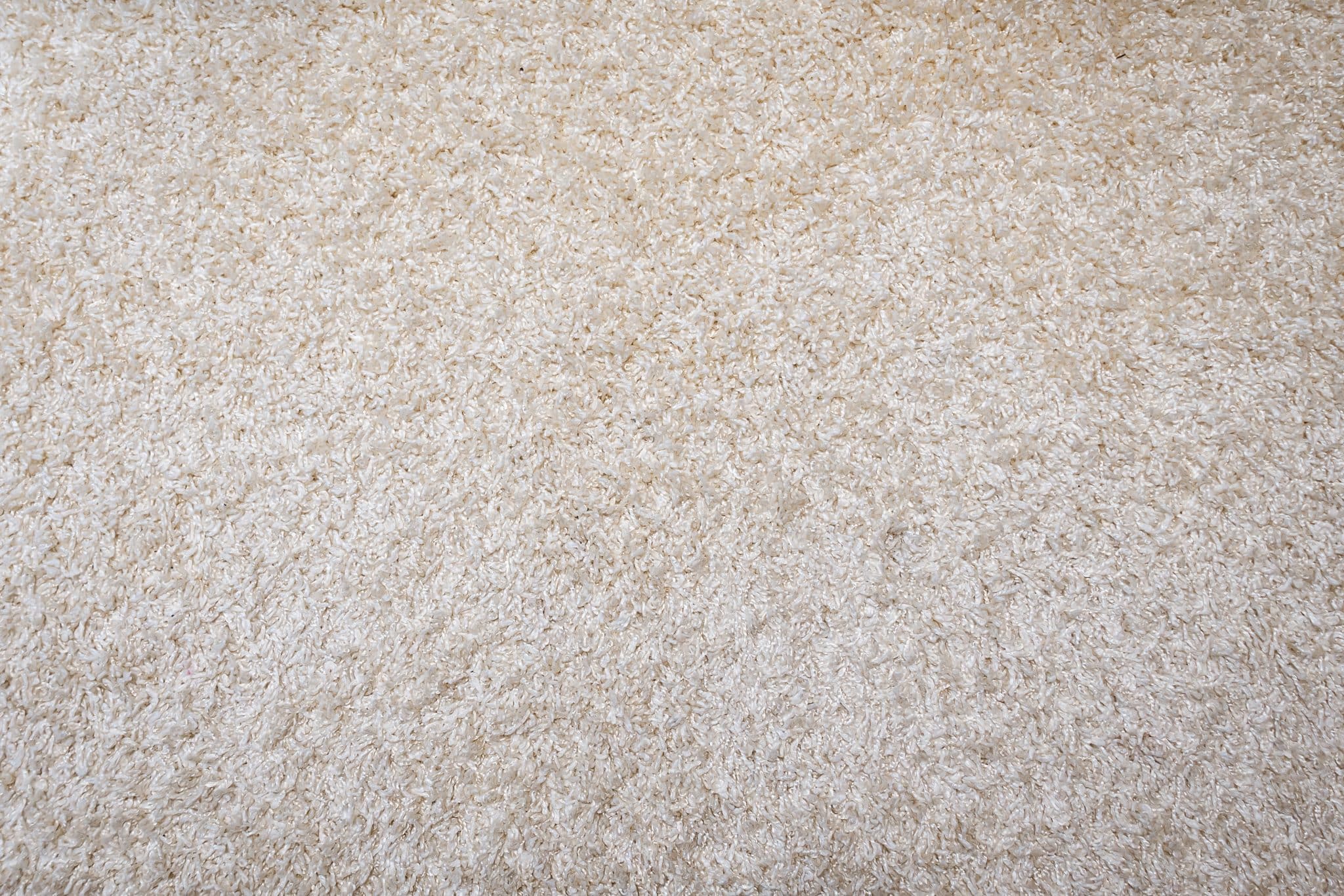
What Decides Whether You Need New Carpet In 5 Years Or 15
A loosely constructed carpet in a house with children and pets reaches 5 to 7 years. A dense, high twist carpet in a bedroom or a formal room reaches 10 to 15. The difference is not the brand and it is not the price tag. It is how much yarn is packed into the pile and how tightly each tuft is twisted. The CRI guidance on selecting the right carpet lists the same three levers: fiber type, tuft density and yarn twist.
Two habits move a carpet toward the top of its own range. Vacuum weekly with the beater bar set correctly for the pile height, because the soil that grinds against the yarn is what accelerates crushing. And keep the professional cleaning interval your manufacturer requires, which runs between 12 and 24 months depending on the mill.
Where The Carpet Failed First Tells You Why
Before deciding you need new carpet, walk the room and note where the damage actually is. The pattern is diagnostic, and our crews read it on every tear-out.
Damage concentrated in two or three narrow paths, with the rest of the room intact, is ordinary traffic crushing on a carpet that was built too loose for the room. The replacement question is density, not fiber. Damage spread evenly across the whole floor, including under furniture, points at age or sun rather than traffic, and a carpet that got there after twelve years did its job.
Damage at a doorway or the top of a stair, where a foot pivots rather than steps through, is abrasion rather than crushing, and it is the one case where fiber genuinely wore away. Damage in irregular patches with no relationship to how people walk usually means moisture, and that sends the conversation to the subfloor before anything new goes down.
In our experience the homeowners who look at the pattern first make a better decision about the next carpet, because they buy against the failure they actually had instead of the one they assumed.
Get A Straight Answer In Your Own Home
A Go Flooring consultant looks at the actual traffic lanes, checks the seams and the stretch, and tells you whether you need new carpet or whether a cleaning would still bring it back. If it would, we will say so.
- Free In-Home Consultation
- Cushion Included
- Install As Fast As Tomorrow
What To Ask For In The Replacement
If the last carpet crushed early, the fix is construction rather than fiber. Every carpet on our carpet flooring range is solution dyed polyester in a texture cut pile, so the decision is not which fiber, it is which numbers.
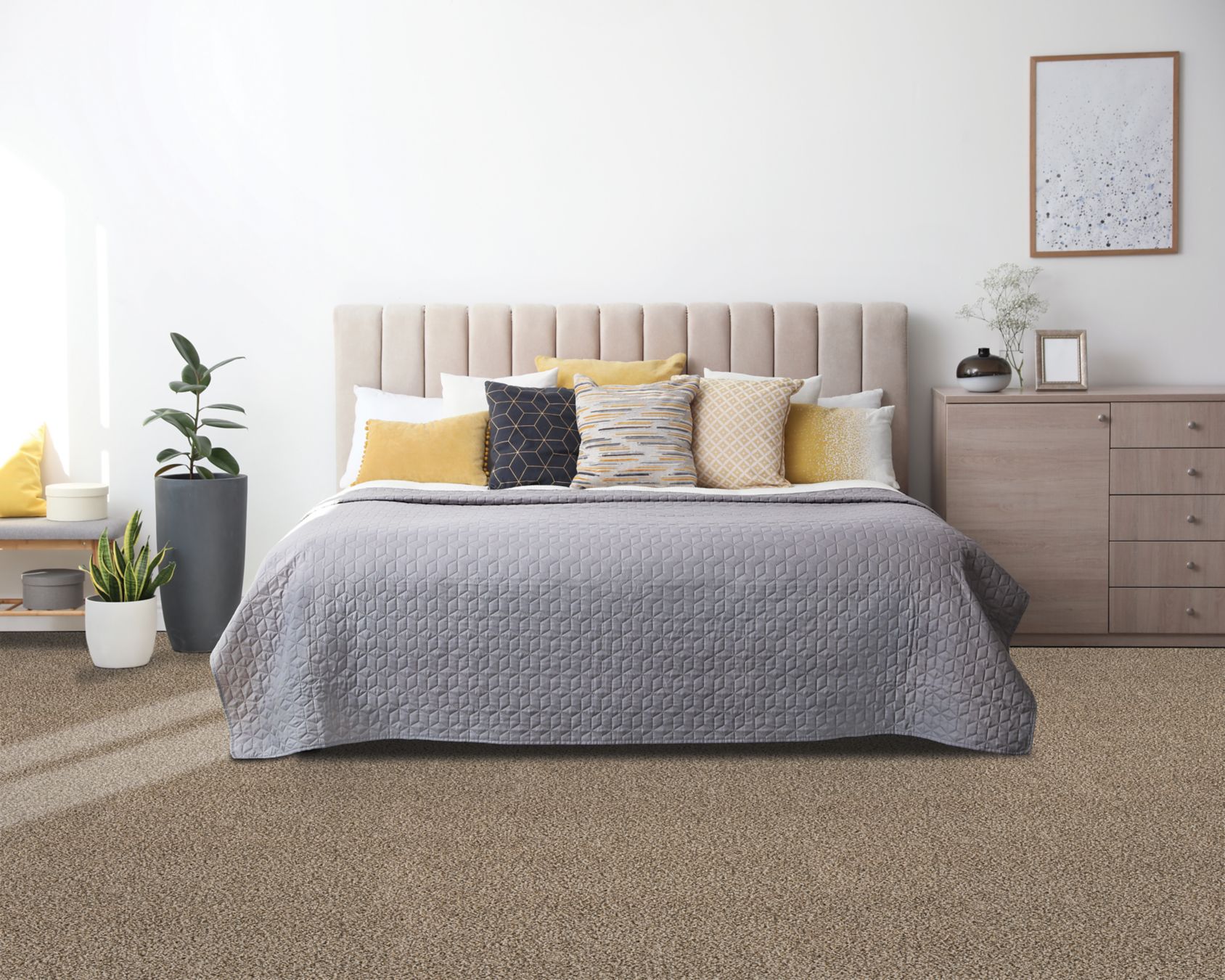
The Five Numbers To Ask For Once You Need New Carpet
| Spec | What To Ask For | Why It Matters Here |
|---|---|---|
| Pile density | 3,100 or higher for a busy house | The single best predictor of whether it crushes early |
| Twist | 5 or more twists per inch where traffic concentrates | Twist is what makes a tuft stand back up |
| Face weight and pile thickness | Both figures, together, in writing | Density cannot be calculated without both |
| Construction | Texture cut pile | Hides tracking, and a claw cannot start a run in it |
| Color method | Solution dyed | Pigment sits inside the fiber, so sun has little to fade |
Density is 36 times face weight divided by pile thickness in inches. That is average pile yarn density, the formula the CRI favors and publishes in its technical bulletins and papers. Ask for both numbers and you can run it yourself in about a minute.
What Goes Under It Matters Too
A new carpet over a tired cushion inherits the problem. Cushion is what stops the carpet backing flexing underfoot, and flexing is what breaks the latex bond between pile and backing. That is the mechanism behind early crushing, rippling and delamination all at once.
Why The Cushion Decides How Soon You Need New Carpet Again
Density is the cushion spec that matters, not thickness or softness. The cushion included with every carpet we install runs 8 pounds per cubic foot with a 2.0 R-value, a moisture barrier with antimicrobial protection, and a 20 year transferable abrasive wear warranty that covers stairs, which plenty of cushion warranties specifically exclude. The installation itself sits under our lifetime installation warranty. It is also Green Label Plus certified for indoor air quality.
The moisture barrier is the part that matters most if odor is the reason you need new carpet. It stops a spill at the cushion instead of letting it reach the subfloor, while still letting subfloor vapor release upward. If the old carpet smelled because something soaked through, that barrier is the reason the new one should not.
Questions Homeowners Ask Before Replacing
How do I know if I need new carpet?
The clearest sign is traffic lanes that stay matted after a professional cleaning. Returning odor, visible backing, and seams that have opened all point the same way. General dullness and individual stains usually do not, since those often clean out.
How long should carpet last?
Residential carpet runs 5 to 15 years. A loosely built carpet in a busy household with children and pets reaches 5 to 7. A dense, high twist carpet in a lower traffic room reaches 10 to 15. Construction decides where a given carpet lands.
Can matted carpet be fixed?
No. Matting means the tufts have taken a permanent set, so the yarn no longer springs back. Cleaning removes soil from a flattened pile but cannot restore the twist. If lanes are still visible once the carpet is fully dry, it is finished.
Why does my carpet still smell after cleaning?
Because the source is below the carpet. Once a spill passes through the backing into the cushion or the subfloor, cleaning the surface cannot reach it. Replacing the carpet without addressing what is underneath usually brings the odor back.
Is it worth cleaning carpet before deciding to replace it?
Often yes, and it doubles as a test. Judge the result 24 hours after cleaning, in daylight, not while the pile is damp. Lanes that lift mean soil rather than damage. Lanes that stay flat mean the pile has taken a permanent set.
What carpet lasts the longest?
Within a single fiber type, the denser and more tightly twisted one. Look for a pile density above 3,100 and 5 or more twists per inch where traffic concentrates. Density is 36 times face weight divided by pile thickness in inches.
Do I need to replace the carpet padding too?
Yes. Cushion compresses over the life of a carpet, and a worn one lets the new carpet backing flex, which is what causes early crushing and rippling. A cushion is included with every carpet we install at no extra cost.
Does Go Flooring clean or repair carpet?
No. We install new flooring only. Cleaning, stretching and spot repair are specialty services, and when one of those is the right answer we will tell you rather than sell you a replacement you do not need.
Book A Free In-Home Consultation
Go Flooring serves North Carolina, South Carolina, Georgia, Florida, Alabama, Michigan, Indiana and Ohio. A consultant measures the rooms and brings samples with the face weight, pile thickness and twist on the tag, so you can check the density yourself.
- A+ BBB Rated
- 4.8 Star Google Average
- Lifetime Installation Warranty
Why Homeowners Trust Go Flooring

